
The impact of Comedy vs Cancer

Setting the stage for new breakthroughs
Your support empowers MSK doctors and scientists to push boundaries and transform how the world understands, diagnoses, and treats blood cancers.

Advancing immunotherapy research
Fueled by Comedy vs Cancer, MSK researchers are pioneering advances in immunotherapy, which uses a patient’s own immune system to fight cancer cells. Today, this treatment technology is one of the most promising defenses against blood cancer.

Tackling the most common type of leukemia
Comedy vs Cancer and MSK are working hard to improve outcomes for people with acute myeloid leukemia (AML), which is caused by the uncontrolled growth of abnormal immature blood cells in the bone marrow. More than 20,000 children and adults in the United States are diagnosed with AML every year, but fewer than 30% of patients with the disease survive five years after diagnosis.

Igniting innovative research
Comedy vs Cancer plays such an important role in spurring advances in blood cancer treatment because funding is limited for most early-stage blood cancer studies. Without sufficient financial resources, researchers can spend years trying to get innovative ideas off the ground.
Impact in action
New research projects funded by Comedy vs Cancer
In 2026, Comedy vs Cancer raised a record-breaking $2.7 million for blood cancer research. Take a closer look at the research projects being supported by these funds.
Bringing hope for new treatments

Mark Geyer, MD, is developing a new CAR T cell therapy that may help enhance immune responses by improving the immune system’s ability to eliminate leukemia cells, particularly for some people with AML.
Targeting lymphoma's weaknesses
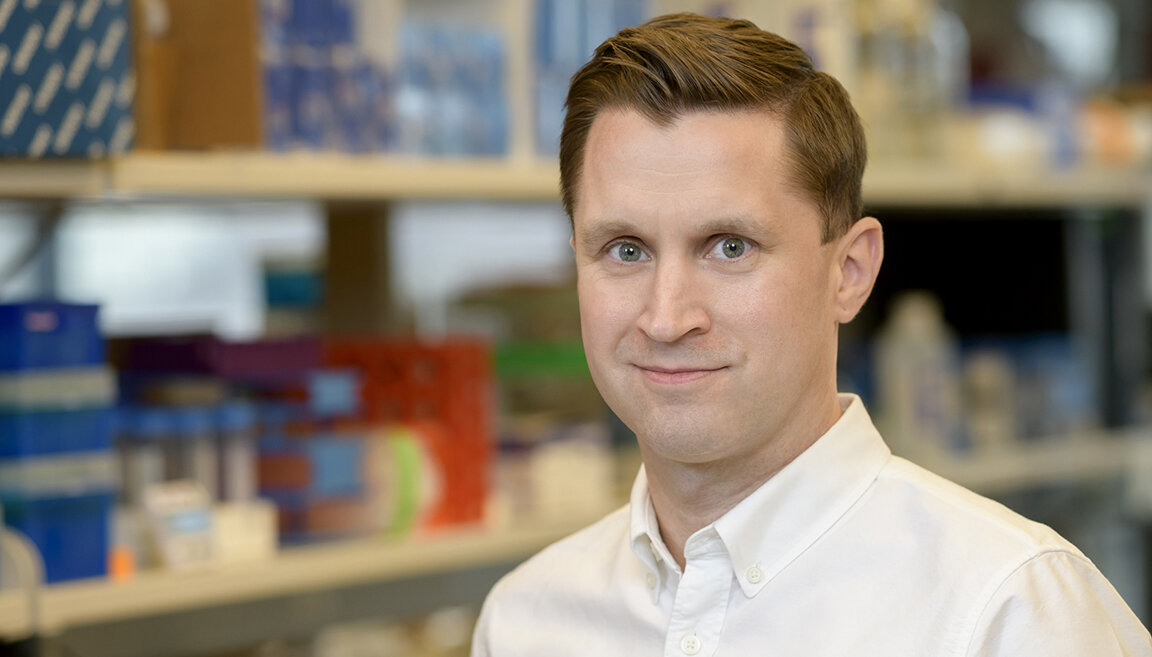
Andrew Intlekofer, MD, PhD, is exploring how changes in cancer cell metabolism affect lymphoma development and if these changes create vulnerabilities that can be used to precisely target cancer cells with treatments.
Decoding high-risk myeloma

Francesco Maura, MD, is investigating the role of plasma cell changes in aggressive or treatment-resistant multiple myeloma and whether these changes can help identify high-risk patients earlier and guide more effective treatment.
Exploring therapeutic targets

Raajit Rampal, MD, PhD, is studying cyclin-dependent kinases, proteins that regulate cell growth and division, to define their role in disease biology and help discover new therapeutic targets to treat myeloproliferative disorders.
Advancing CAR T cell therapy
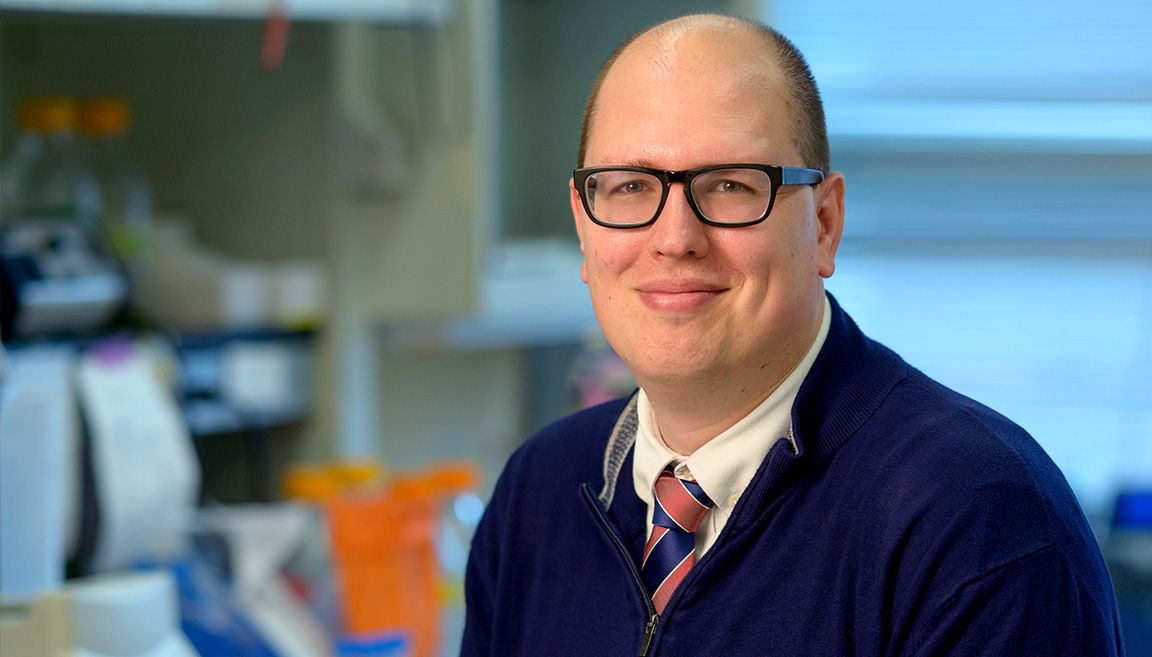
Karlo Perica, MD, PhD, is developing an off-the-shelf CAR T cell therapy for multiple myeloma that can deliver genetic instructions directly into immune cells. This approach could make this advanced treatment accessible to more people.


